A Basic Introduction to the Virtual Behavioural Medicine (VBM) Program at Baycrest 

This interactive eLearning course provides a basic introduction to the Virtual Behavioural Medicine (VBM) program at Baycrest. It is designed for those caring for people living with unmanaged severe neuropsychiatric symptoms of dementia.

All content is optional, including videos, knowledge checks and accessing resources.

Additional content is being developed for physicians, which will focus on the clinical aspects of pharmacological management for patients living with unmanaged neuropsychiatric symptoms of dementia.

The elearning course is available at no cost.

  • Audience

    Families and Caregivers
  • Duration

    2 hours
  • Certification

    Certificate available

About VMB

The Virtual Behavioural Medicine (VBM) program treats people living with dementia who are at risk of harm to self and/or others due to behaviours associated with dementia. Launched in February 2020, it is a collaboration between the Sam and Ida Ross Memory Clinic at Baycrest and the Toronto Central Behavioural Support for Seniors Program (TC-BSSP).

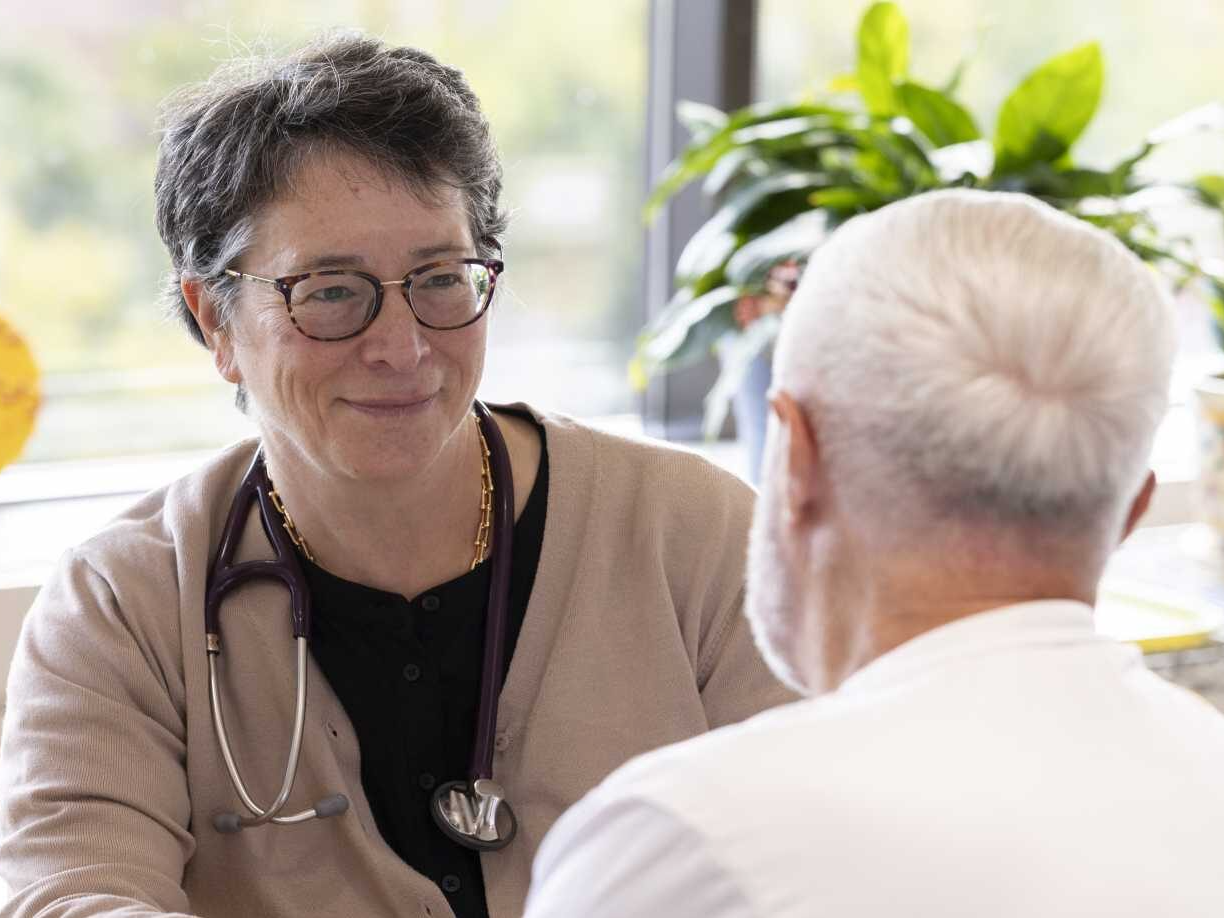
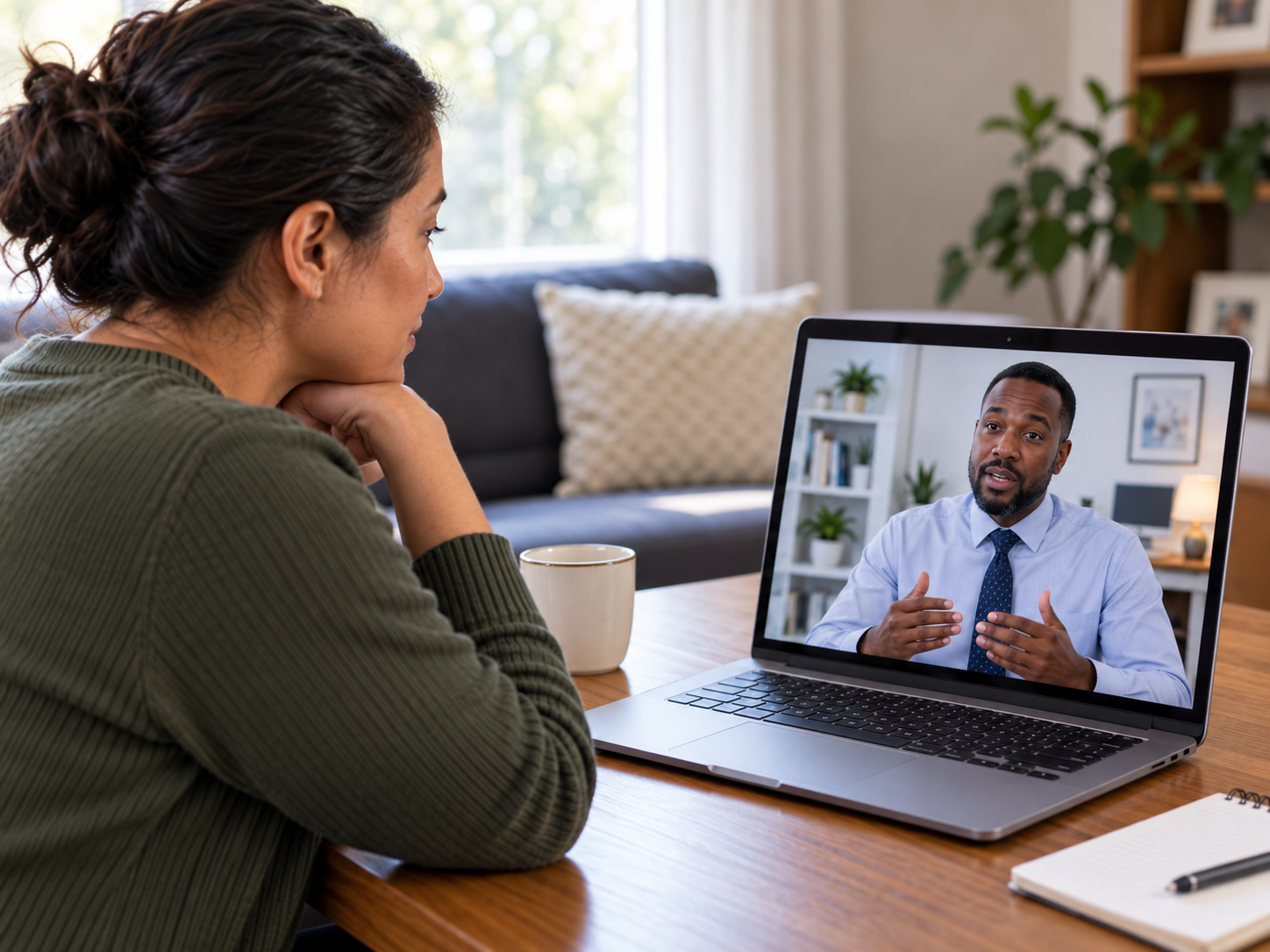
The interprofessional VBM team works in partnership with the person living with dementia and their care team (e.g., family, caregivers, physicians, nurse practitioners, social workers and community health care professionals).  The treatment consists of pharmacological and non-pharmacological interventions to mitigate challenging behaviours. It takes place through virtual visits over the secure Ontario Telemedicine Network.

In 2022, a study published in the Journal of Alzheimer’s Disease found that the VBM program can reduce the need for hospital admissions by up to 60 per cent, alleviating pressure on the health system for acute care beds.

"People living with dementia who participate in the Virtual Behavioural Medicine program are really trying to communicate an unmet need, and they're doing so through what we call responsive behaviours or neuropsychiatric symptoms of dementia.

It must be a very frustrating space to be in when you're unable to communicate your needs, and it can cause issues with family members, caregivers and healthcare providers not understanding how to care for this person, wanting to help but not knowing how to do it.

The VBM program is able to provide the right pharmacological approaches alongside non-pharmacological approaches that help to mitigate these behaviours or symptoms. Meaning this person is in a better space, both mentally and emotionally. And this really has a positive impact on all of this person's family members, caregivers and healthcare providers." 

RHillis@baycrest.org

Learning Objectives

Upon completion of this course, learners will be able to:

  1. Describe key concepts of the VBM program at Baycrest including how to access the program.  
  2. Recognize key concepts of dementia related to the VBM program. 
  3. Identify the neuropsychiatric symptoms of dementia that may warrant a suitable referral to the VBM program. 
  4. Describe approaches (pharmacological and non-pharmacological) used in the VBM program to manage neuropsychiatric symptoms of dementia. 
  5. Recognize how the principles of the VBM program may be related to your lived experience or professional context.

Acknowledgments 

This course was created by the Centre for Education and Knowledge Exchange in Aging, Baycrest Academy for Research and Education, in collaboration with the Baycrest VBM Team and reviewed by the following subject matter experts: 

Dr. Morris Freedman, BSc, MD, FRCPC
Head, Division of Neurology, Baycrest 
Professor, Department of Medicine (Neurology), University of Toronto 
Medical Director, Cognition and Behaviour, Baycrest 
Medical Director, Pamela and Paul Austin Centre for Neurology and Behavioural Support, Baycrest 
Scientist, Rotman Research Institute, Baycrest 
Dr. James Chau, MD, CCFP (COE), FCFP Care of the Elderly
Family Physician & Assistant Professor
Northern Ontario School of Medicine (NOSM U)
Dr. Jessica Cuppage  
Family Physician
Baycrest
Dr. Yael Goldberg, PhD, C.Psych Clinical Psychologist and Neuropsychologist
Director of Training (Internship), Neuropsychology and Cognitive Health Program
The Pamela and Paul Austin Centre for Neurology and Behavioural Support, Baycrest 
Dr. Michelle Hart, MD FCPC(COE) MSc.CH
Family Physician
Baycrest
Anne Kirstein, RPh, BScPhm, ACPR
Clinical Pharmacist
The Pamela and Paul Austin Centre for Neurology and Behavioural Support, Baycrest 
Cara Macanuel, MSc OT Reg. (Ont.)
Clinical Manager, Ambulatory Services
Baycrest Behaviour Support Outreach Team (BSOT) 
Robin Mitchell, MSW, RSW
Social Worker
The Pamela and Paul Austin Centre for Neurology and Behavioural Support, Baycrest
Dr. Nosakhare (Nosa) Osemwegie
Clinical Fellow
Behavioural Neurology, University of Toronto and Baycrest
Laura Petta, BA, BSW, MSW, RSW
Clinician Leader
The Pamela and Paul Austin Centre for Neurology and Behavioural Support, Baycrest 
Rosie Sears, BA Dip PT BHSc PT MSc DOHS MCPA MSW Candidate
Consultant Clinician Educator
Michael Garron Hospital 
Fidelma Serediuk, BSc.PT, MSc Health
Clinical Manager, Ambulatory Services
The Pamela and Paul Austin Centre for Neurology and Behavioural Support, Baycrest 
Irina Sorokina, BScN RN 
Educator
Baycrest Behavioural Supports Outreach Team  
Carol Wahba, PharmD, RPh  
Clinical Pharmacist 
The Pamela and Paul Austin Centre for Neurology and Behavioural Support, Baycrest  
Elizabeth Wojtowicz, RN(EC), BScN, MHM, GNC(C), CHPCN(C) 
Director of Clinical Practice
Thrive Group
STAFF
Meaghan Adams, PT, PhD  
Manager, Simulation and Virtual Learning 
Centre for Education and Knowledge Exchange in Aging 
Baycrest Academy for Research and Education, Baycrest  
Cathy Smith PhD, Simulation and Interprofessional Educator, Simulation and Virtual Learning Centre for Education and Knowledge Exchange in Aging, Baycrest Academy for Research and Education, Baycrest to Staff